Rent it or sell it?
The camera still comes on every trip. The sewing machine has not left its case in a year. Before renting either out, ask whether you want it back, and whether preparing it for someone else fits your life.
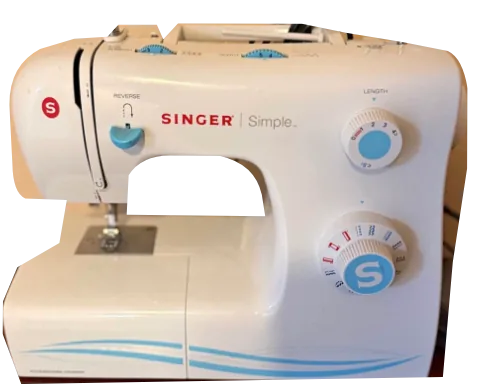
Do you want the gear back?
If you still use it and can manage local handoffs, renting may be worth trying. If you want the space back or no longer want responsibility for it, selling may fit better. Neither choice is right for every item.
| Your situation | Consider renting | Consider selling |
|---|---|---|
| Future use | You still use it between other people’s rentals. | You do not expect to need it again. |
| Time | You can handle messages, pickup, return and checks. | You prefer arranging one permanent handoff. |
| Condition | It is reliable and you can inspect and maintain it. | You can describe its condition honestly to a buyer. |
| Money and space | You can keep storing it while testing uncertain demand. | You want to free space and seek a one-time sale. |
Unsafe equipment is not a rental candidate. Resolve safety problems before considering either route.
What would keeping it ask of you?
The camera you use each month
You want it back and know how to inspect it. Renting between your own projects may fit, provided the dates, handling and handoffs work for you.
The hobby you have left behind
If keeping the equipment only adds storage and maintenance, a sale may make more sense. You do not need to turn every unused item into a side hustle.
The setup that needs constant attention
Count the cleaning, calibration, missing pieces and transport. If you cannot support it reliably, do not offer it for rent just because it was expensive.
Rental revenue is not the same as profit.
A possible sale price is a one-time amount. Rental income depends on bookings that may or may not happen, less fees, wear, cleaning and maintenance. Include the value of your own time.
Use a cautious example
Hypothetical: if a rental leaves $18 after the platform’s owner fee, then $3 of preparation costs leaves $15 before wear, taxes and your time. It would take 12 such rentals to equal $180 in net sale proceeds. That is arithmetic, not a forecast of 12 bookings.
Renting also leaves you with the item, its future resale value and its upkeep. Selling gives up future use. Compare those tradeoffs using your own numbers and the rental pricing walkthrough.
Offer the part that is still useful.
One item can stand on its own
A renter may already own the rest of the setup and only need your tripod, speaker or sewing machine. Make the model and compatibility clear.
A kit can reduce the setup work
Combine pieces that serve one activity. List included accessories and exclusions; a kit is useful because its contents fit the plan, not because there are more of them.
Use the listing ideas guide to choose a manageable starting point, then the first-listing checklist to prepare it.
Before choosing.
Can I rent something out if I still use it?
Yes, if you can offer dates that do not conflict with your own plans and honor accepted bookings. Keep its availability accurate.
What if there is little local demand?
Do not count on future rental income. Review the listing, price and availability, and decide whether continued storage and upkeep still make sense.
Do I need to ship gear to renters?
No. Cache Kits rentals use local pickup and return. Factor both handoffs into your decision.