Things you can rent out for money.
Your camera could go on another photo walk. Your projector could make someone’s Friday night. To choose a first rental listing, look for reliable gear you know well, can prepare easily and can hand off locally.
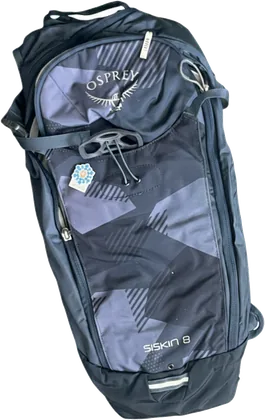
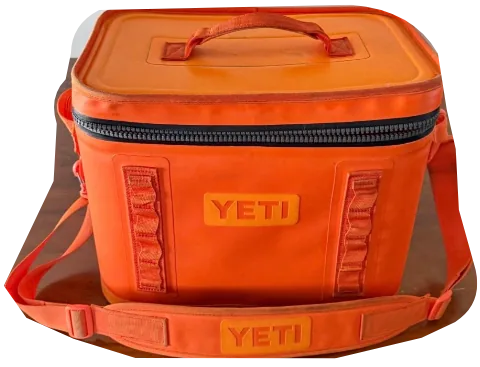
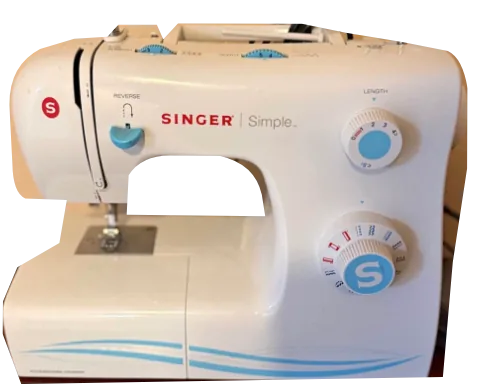
What could someone do with your gear?
A camera can become someone’s first photo walk. A sewing machine can finish a project that has been waiting for months. Start with equipment you know how to use, inspect and explain. These are listing ideas, not claims of current availability or demand.
Camera and audio gear
A camera, lens, tripod, microphone or speaker can be useful alone. Specify the model, connections, batteries and storage media included so a renter can check compatibility.
Craft and studio equipment
A sewing machine, easel or cutting machine needs more than a good photo. Explain the working area, included tools and consumables the renter must supply.
A gathering or movie night
A projector, lawn game or folding table can solve one missing piece. For a projector setup, list the screen, cables and sound equipment separately; never assume a streaming device is included.
Camping and activity gear
Tents, sleeping pads, backpacks and surf equipment need clear sizes and condition notes. Inspect and dry equipment between rentals, and explain any required experience.
Music equipment
An instrument, amplifier or small recording setup needs compatible cables and power supplies. State what comes in the case and any handling instructions.
Specialty kitchen gear
A mixer, large cookware or specialty appliance may suit an occasional project. Check cleaning effort, transport and safe-use instructions before deciding to list it.
Is it a good rental item?
It works reliably, and you can check it
Choose equipment you can inspect before and after each rental. Do not list something unsafe, unreliable, prohibited by Cache Kits’s terms or not yours to rent out.
You can name every included piece
Photograph the actual item and accessories. Note wear, dimensions, model numbers and anything needed but not supplied. A battery without its charger is a very short afternoon.
The handoff fits your week
Allow time to answer questions, meet for pickup and return, then clean, charge or reset the item. Storage and maintenance are part of the decision.
You still want to own it
If you no longer use the item or do not want repeated handoffs, a sale may suit you better. Use the rent-or-sell comparison before writing the listing.
Choose the listing that solves the need.
One useful piece
A tripod for someone who already owns a camera, or a sewing machine for someone with their own supplies. Make its compatibility easy to check.
A setup that works together
Group gear for one clear activity: for example, a projector, compatible cable and screen. Name what is included and what the renter still needs.
Make the boundaries clear
Do not describe a kit as complete unless you explain complete for what. Choose whether its items can be requested separately and check the final listing.
Choosing your first listing.
What is the easiest item to start with?
One durable item you understand well and can prepare without much effort. Use the first-listing guide for photos, pricing and handoffs.
Do complete kits earn more than individual items?
Not automatically. A kit can save someone the work of finding compatible pieces; an individual item can suit someone who already owns the rest. Earnings depend on actual paid rentals and your costs.
Should I buy equipment just to rent it out?
Start with what you already own. Learn from real requests and completed rentals before taking on the cost of more equipment.
How much should I charge?
Compare similar local offers for the same dates and included accessories, then account for preparation and maintenance. The pricing example shows how Cache Kits’s owner fee affects a rental subtotal.